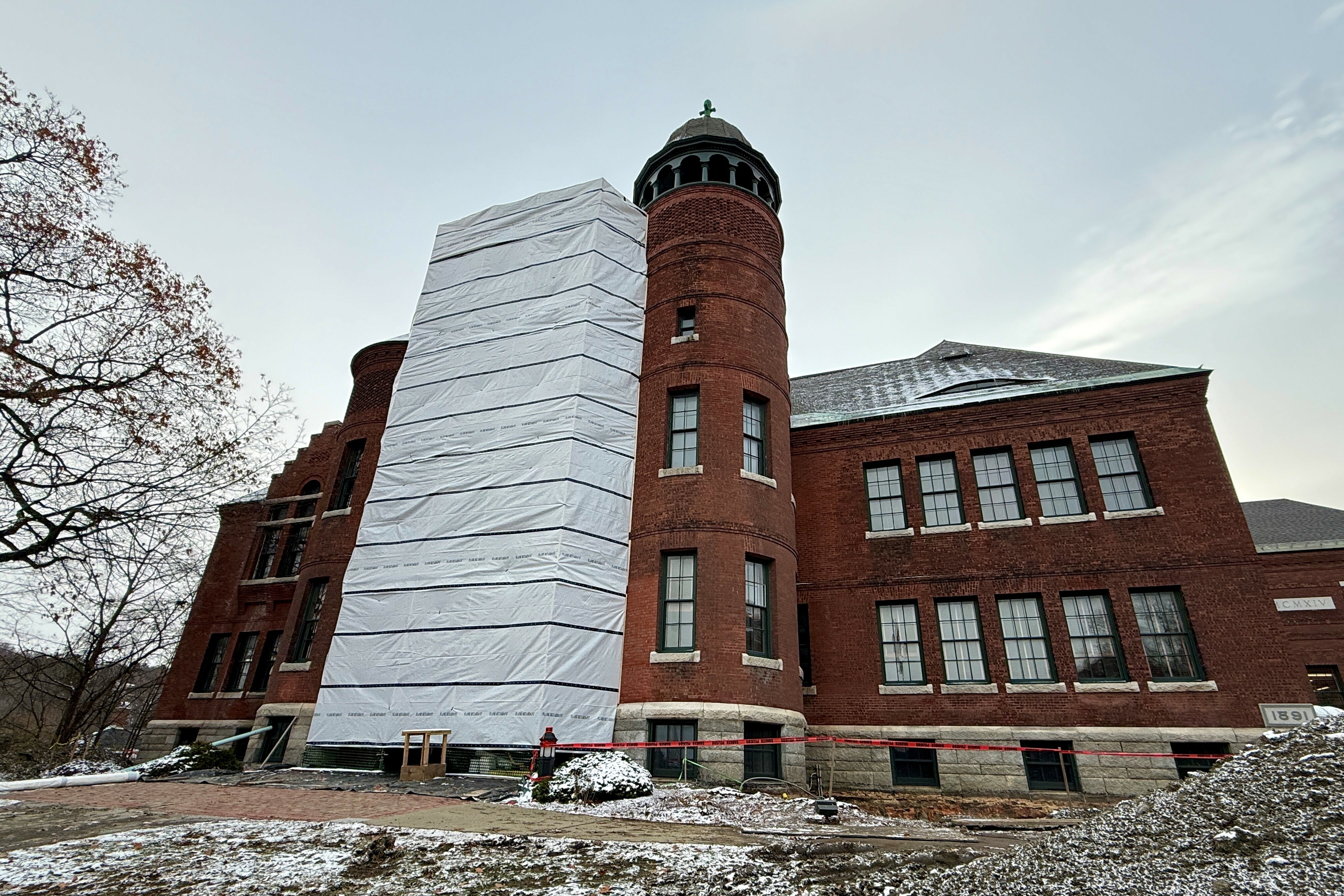
The Great Battle to Save Vermont’s Forests
By Robert A. Mello, author of When The Trees Came Back
A dense forest thousands of years in the making once covered Vermont. Great elms, oaks, beeches, walnuts, butternuts, chestnuts, maples, birches, cedars, spruces, pines, and hemlocks, some of them hundreds of years old and over one hundred feet tall, towered over a landscape teeming with moose, elk, deer, beavers, otters, bears, wolves, mountain lions, and other wildlife. Flocks of passenger pigeons and songbirds nested in the trees, and schools of salmon and freshwater fish spawned in the clear waters of countless brooks and streams originating in Vermont’s highlands.
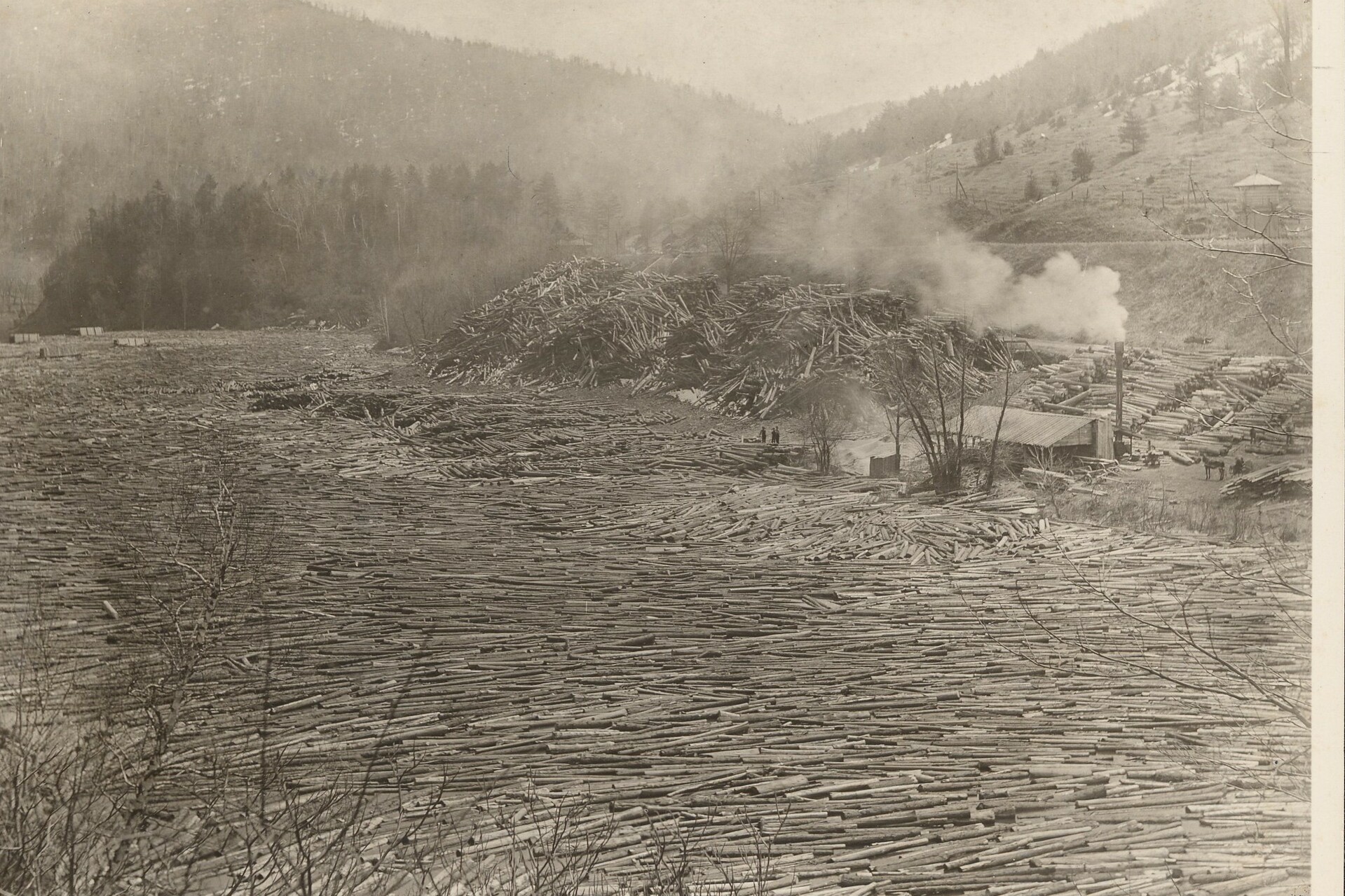
All of that began to change in the 1760s as thousands of settlers from southern New England and New York began pouring into the territory following the end of the Seven Years’ War between France and Britain. Settlers cleared immense tracts of woodlands to make room for crops and pastures, timber barons clear-cut thousands more acres to supply logs to out-of-state markets, and hundreds of sawmills and woodworking factories vied with each other to manufacture the lumber needed to serve the rapidly growing American population. By the Civil War, 60 percent of Vermont’s forests had been cut down; twenty years later, Vermont was on its way to becoming the least forested state in New England, with only 25 percent of the state covered with trees. The environmental consequences to the forests, streams, and wildlife were enormous.
In October of 1882, Joseph Battell of Middlebury urged the Vermont legislature to take action to save what was left of Vermont’s forests and restore what had been lost. Battell’s resolution was the opening salvo in a great battle to save Vermont’s forests, a campaign that would engage the state’s first generation of woodland reformers for the next thirty-five years. The advocates included innkeepers and businessmen, scientists and academics, newspaper editors, agricultural leaders, reform-minded lumbermen, women’s groups, bird and nature club members, outdoor enthusiasts, and others horrified at the sight of denuded mountains and inspired by the writings of Woodstock’s George Perkins Marsh, one of America’s first advocates for forest stewardship.
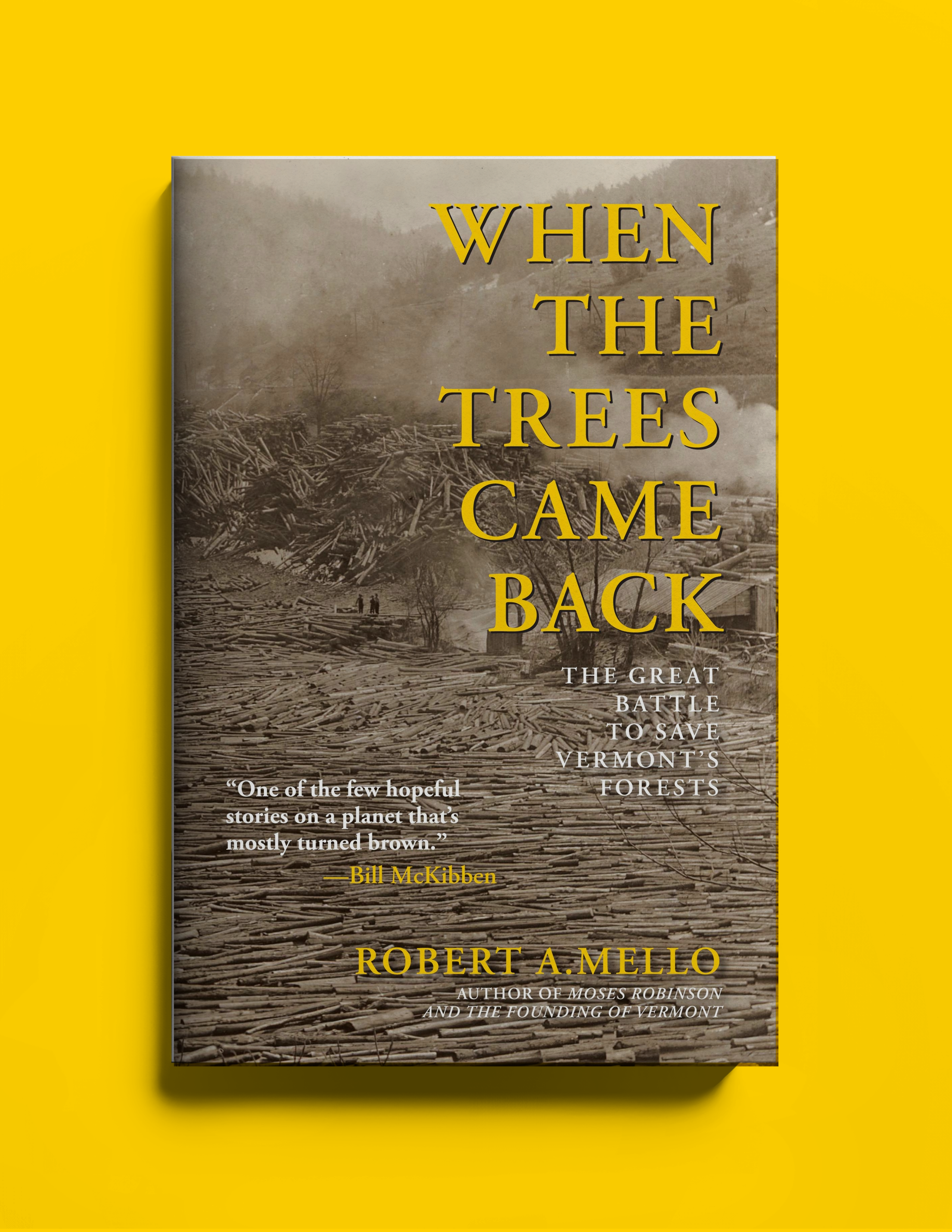
When the Trees Came Back chronicles the efforts of the reformers to overcome public apathy, private greed, and entrenched opposition to government regulation. It describes their battles to change unsustainable lumbering practices and long-standing rural traditions, and it documents their struggle to accommodate the competing interests of those who relied on the state’s forest resources. It also explains what the reformers got right, what they got wrong, and the hard-earned lessons to be learned from their great struggle. In addition, the book shows how their efforts laid the groundwork for the resilient forests that Vermont has today.
The condition of today’s forest is markedly improved from what it was over a century ago, when Vermont was 75 percent bare. Today 76 percent of Vermont is covered with trees, and nearly all of that forestland is experiencing strong growth. Most of Vermont’s forests today are managed sustainably and in accordance with best forestry practices. The last chapter of this book describes the steps Vermont has taken over the past one hundred years to enlarge the public ownership of forest lands, outlaw the worst kinds of timber handling practices, provide timberland owners with incentives to treat forests more like ecosystems than plantations or mines, and develop silvicultural techniques that improve forest health and resilience, preserve biodiversity, and restore wildlife habitat.
Although Vermont’s forests have made a remarkable recovery in the past century, the battle to save them is not over. The risk of backsliding to earlier days of wasteful lumbering is ever present, while today’s forests face a host of modern perils that threaten to undermine their integrity, including climate change, invasive species, fragmentation, and development. In addition, recent changes in federal policy relating to the nation’s forests threaten to affect Vermont’s ability to protect its woodlands.
Fortunately, Vermont has historical precedents and time-tested programs to build upon and share with today’s generation of forest stewards, including a legacy of advocacy for the protection of forests and a remarkable record of achievement in restoring forest health and resilience.
This article originally appeared in the Spring 2026 issue of our member magazine, History Connections. To get it and to support our work, you can sign up as a member here. When The Trees Came Back: The Great Battle to Save Vermont's Forests is now available to order from the VHS bookstore.