Redesigning Our Conversation Station
By Danielle Harris-Burnett, Museum Educator
“Hello, hello, you’ve got the wrong number,” a third grader places the phone receiver back on the wall. There’s something fascinating about holding it, mimicking one side of a conversation. If they click a button on the side of the station, they hear a different side of a conversation from over twenty years ago.
The Conversation Stations at the Vermont History Museum were originally added during updates to the Freedom and Unity exhibit in 2001. In collaboration with Vermont Folklife, VHS staff collected interviews from state representatives, artists, farmers, and lifelong Vermonters. These oral histories differ from other archival collections at the Vermont Historical Society; they’re an intimate recollection of a person’s lived experiences.
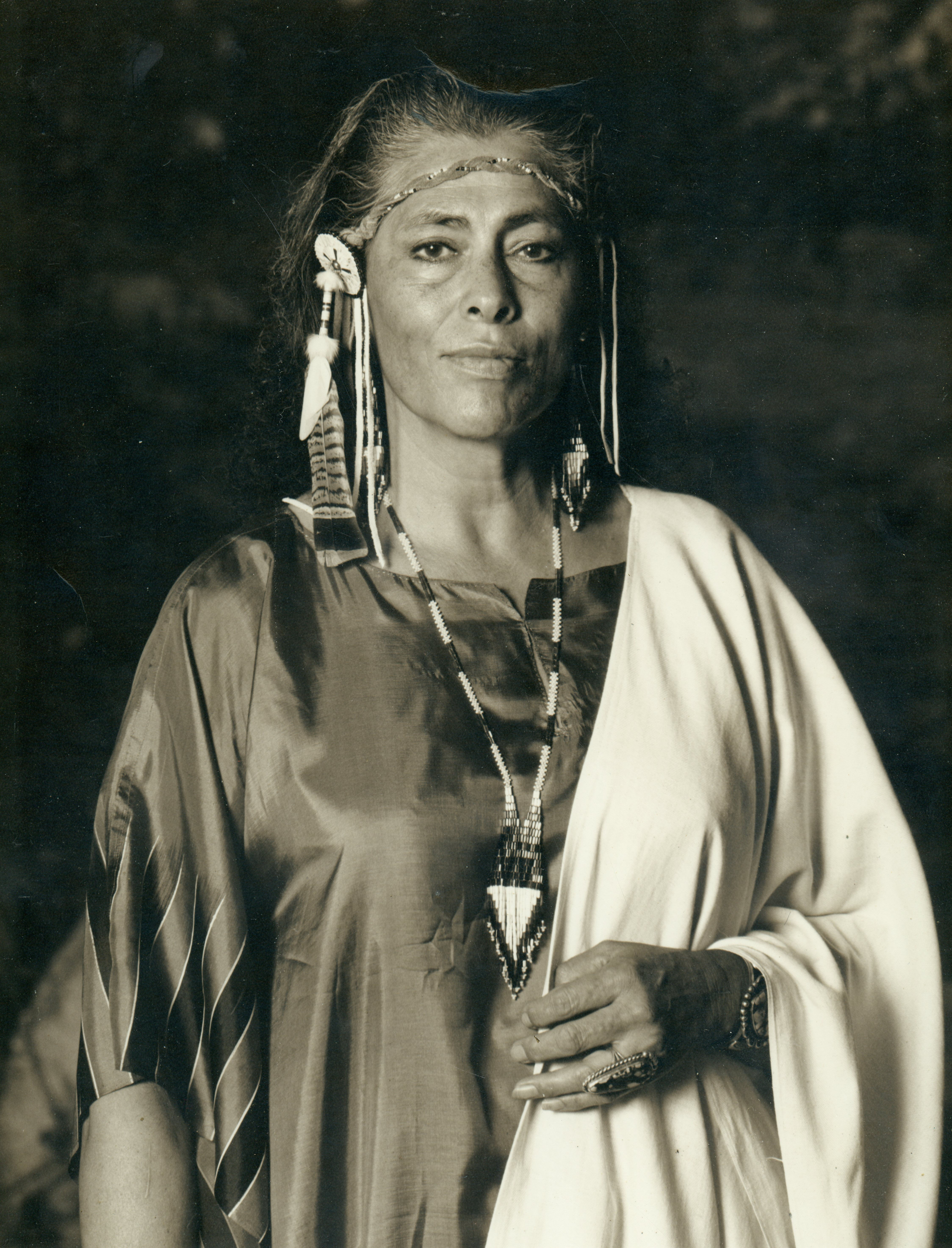
Mali Keating in regalia. Image: VHS
While many of the people on display in the station have passed away, their descendants still visit. During an afternoon visit, the great-granddaughter of Abenaki artisan and educator Mali Keating heard her great-grandmother’s voice for the first time in a recording. She was able to listen to her great-grandmother discuss growing up on a farm and her family history in the Connecticut River Valley. Sometimes, family members of the interviewees even make repeat visits back to the museum.
Oral history interviews are valuable resources for visitors, as they allow time for reflection and a different level of interaction with the past. So why were so many visitors skipping this part of the exhibit? VHS wanted to answer that question.
In 2024, VHS conducted a behavior mapping survey in the museum and identified areas to update within the main exhibit. The results were clear: the Conversation Station needed repairs. In order to strike a balance between the existing interviews and new scholarship, VHS staff moved the interviews to a website and divided the in-person exhibit into four different themes: Politics, Counterculture, Immigration, and Change. Staff reuploaded the existing interviews into videos, allowing visitors to explore archival photographs while they listen. Family members of Mali Keating also graciously contributed family photographs for the station update. With the new video format, the station is fully accessible through open captions. These changes began to make the part of the museum that carries into the present day feel like a living representation of Vermonters.
Twenty years had taken a toll on the station. Several of the interviews are only available by QR code. Additionally, the station no longer acts as a holistic summary of the exhibit and Vermont’s story. Since the exhibit was installed, VHS undertook two new oral history projects, one focused on the counterculture movement of the 1970s and the other documenting the experiences of Vermonters during the COVID-19 pandemic, yet neither of these projects were included in the station.
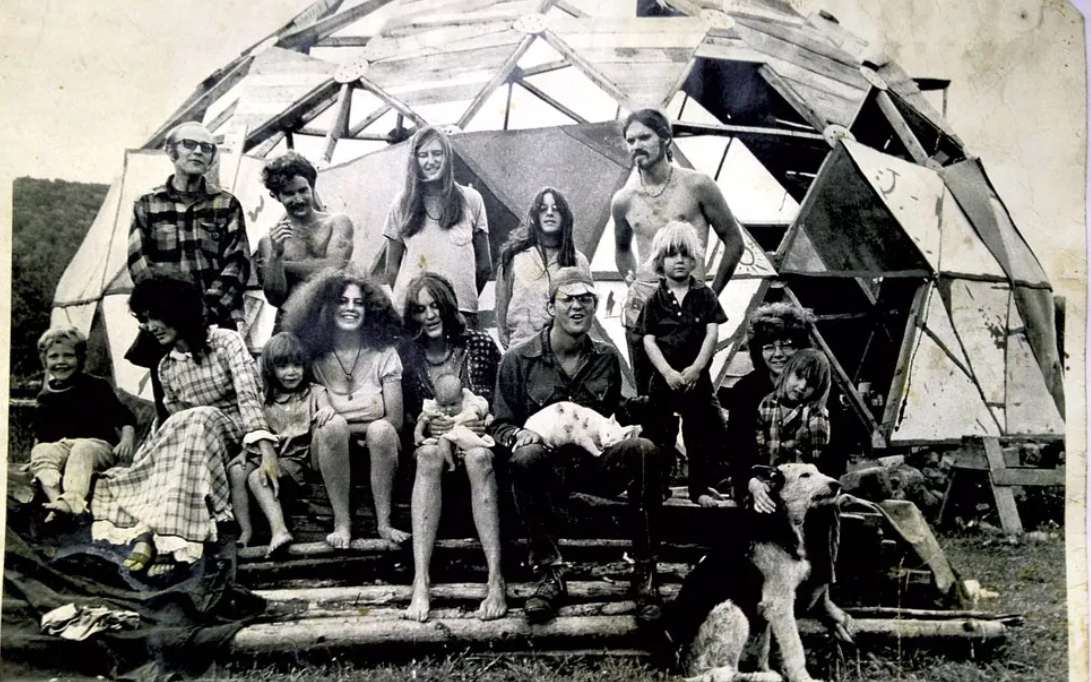
With the content organized into themes, VHS now has the flexibility to update the station, adding material from those oral history projects. From 2015-2016 VHS staff interviewed over 50 people involved in the counterculture movement of the 1970s. The project includes striking images collected by interviewees of life on Maple Hill commune, Bread and Puppet, anti-war demonstrations, and early Pride festivals. There is so much material that the counterculture section is divided into two sections, focusing on social activism and the back to the land movement. VHS will also add interviews from the COVID-19 project over time.
When visitors explore the updated Oral History Station this spring, VHS hopes that the voices on the other end of the phone will resonate with new audiences and inspire conversations.